About Us

How we work

img2.jpg

A clearinghouse and a provider of services for young people and the people who share their lives.

The Chris Dudley Foundation delivers diabetes information and other resources via the World Wide Web. Essentially an Internet-based organization, the foundation maintains an office and a small staff in Portland, Oregon.

How we deliver information

It’s the age of the Internet. Young people are drawn to it — and that includes young people with type 1 diabetes. So we’ve made the Internet our delivery system. You can access virtually all of our information and services on the Internet.

Web site

Because we are essentially a clearinghouse for diabetes information and related services, our Web site is our hub. From it, we can deliver information in virtually any form: as written material, as audio, as video, or in any combination of the three.

You can expect to see this kind of information on our Web site:

  • Ways to live healthy lives while being physically active
  • How testing is different when you’re active
  • How you need to eat differently when you’re active
  • How to cope with testing and other necessary hassles
  • Discussions and descriptions of products, such as testing meters and kits
  • How professional athletes and other personalities cope with juvenile diabetes
  • Where to find specific diabetes information

Playing Thru e-Newsletter

Playing Thru is our monthly newsletter, which anyone can subscribe to, without charge. The newsletter is emailed to subscribers each month. Each issue focuses on a single main theme. The articles are brief, relevant, compelling, and full of practical information and tips. The content of Playing Thru is roughly based on these basic principles:

  • There’s a lot of questionable diabetes information out there, and we’d like to get it straightened out. Playing Thru tries to help people understand what having type 1 diabetes really means.
  • Playing Thru is a voice of reason that should be heard not only by young people with diabetes, but also by parents, friends, teachers, medical providers, and anyone else concerned with the disease and the young people who have it.
  • The issues facing physically-active young people with type 1 diabetes are unique, and they call for unique diabetes information.
  • In addition to medical attention, there are certain factors (such as diet and testing) that active young people with diabetes have to get comfortable with.
  • Young people with type 1 diabetes can have healthy, active lives.

Conference calls

Although we don’t deliver conference calls themselves on the Internet, information about them will appear on our Web site.

These calls will feature athletes (like Chris Dudley) and other role models that young people will know and look up to. Featured participants will either have diabetes or will have shared the life of someone who has it.

Topics will vary, but they will all focus on delivering diabetes information that kids with type 1 diabetes will want to have. They are informative and they are also encouraging.

Blogs

Blogs often share topics with our e-Newsletter, but they’ll be shorter and they’ll encourage the participation of everyone. They’ll feature comments from other bloggers, Chris Dudley, other athletes and personalities that young people will relate to, medical people, teachers, parents, and so forth. They will often contain links to sources of more diabetes information or discussion.

Blogs are a forum for sharing and discussing ideas, asking questions, making comments, giving or seeking advice, and, most important, establishing connections.

Sports camps

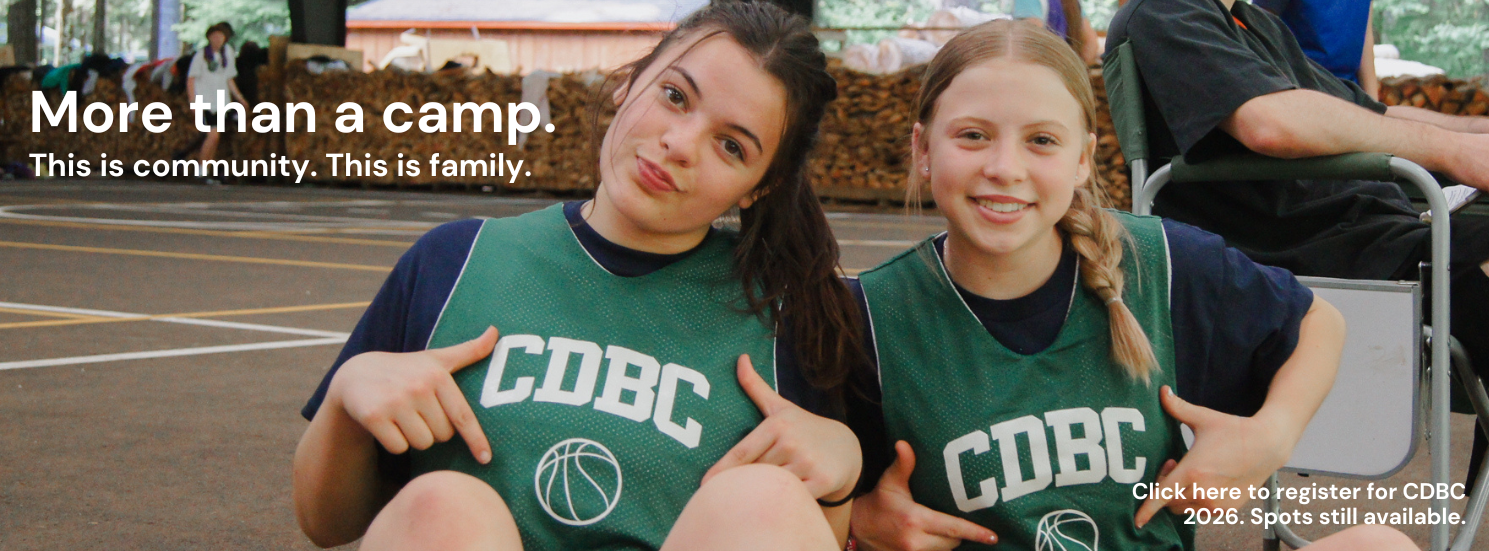
Chris Dudley camps are for boys and girls between the ages of 10-17 with type 1 diabetes. They are typically five-day affairs and their main goal is to deliver information that is relevant to young people playing an intensive sport. Campers receive a lot of individual attention from a substantial staff that includes Chris Dudley, a 16-year NBA veteran, endocrinologists, nurses, counselors, and others.

Sports clinics

The Dudley Foundation sports clinics also focus on teaching young people how to participate in an intensive sport while controlling their diabetes. Clinics, however, are typically one-day events. Clinics, like camps, are held in various locations in the U.S.

Speaking engagements

The Chris Dudley Foundation provides informational and motivational speakers for your events. Like camps and clinics, they are (obviously) not delivered via the Internet, but you can find out more about the program on our Web site.

Hotline

The hotline is an alternative source for diabetes information and other forms of help that you might need quickly. It’s not, however, a number to call for urgent medical attention. If you call the hotline, the first message you’ll hear is that, if it’s a medical emergency, call 911.

But, let’s say you’re a young person who’s just been diagnosed with type 1 diabetes, and your coach, not understanding the situation, has told you that you can’t be on the basketball team anymore. What do you do?

Call the hotline and tell your story. Any number of coaches, after having Chris Dudley, or another known athlete, talk to them about type 1 diabetes, have reconsidered and reinstated players.

Or, let’s say you’re the parent of a young athlete who’s just been diagnosed with the disease. You might need certain diabetes information quickly (like the name of an endocrinologist who’s used to dealing with young athletes). Call the hotline.

In other words, if other forms of communications with The Chris Dudley Foundation don’t seem to cut it at the moment, use the hotline.

Instructional Videos

Instructional videos from The Dudley Foundation address situations involving young people with type 1 diabetes. Some examples:

Teachers Coaches
Family & Friends
Parents
  • Coaches: You’re a young athlete with diabetes and you need to get your coach some practical diabetes information (maybe so she or he won’t think you’re automatically disqualified from playing your sport). One of our instructional video does just that.
  • Teachers: You might be a teacher who will be having a child with type 1 diabetes in your classroom. This video will give you lots of tips for having a successful school year. This short video is full of practical information that you can use in the classroom, and that will benefit you and all of your students.
  • Parents: You’re a parent of a youngster with type 1 diabetes, and he or she wants to spend the night at a friend’s house. An instructional video from the Chris Dudley Foundation will inform you and the friend’s parents what to expect.
  • Family & Friends: You are having a child who has type 1 diabetes over to your house for a sleepover or a play date. You might be a little anxious about what you need to know: what food to serve the child, for example, and other questions and concerns that many share. Here’s is a short video that will teach you some simple facts about type 1 diabetes. It will also give you some practical tips about what do while the child is in your care.

All videos are short, and to-the-point, and contain practical information.

Usually, we find that videos not addressed to specific roles, simply don’t cut it. A video made for coaches, for example, might be disregarded by Boy Scout leaders. Though the diabetes information contained in them might be identical, the viewer often discounts the content because it’s apparently aimed at a different audience.

So, we’ve put together videos that are aimed spot-on at each of many roles who have influence over young people with type 1 diabetes. Coaches, teachers, family, friends and parents. You name it. We probably have a video that fits.

Now that you have an idea of how we distribute diabetes information, find out more about the foundation.